
Getting back into working out after a long break feels harder than it should, and that’s mostly in your head, not your body. Take a breath. You’re not behind, and you’re not starting from zero, even if it sure feels that way. Life happens to all of us out here in Deep East Texas. A new baby, a back injury, overtime at the mill, caring for a parent, or just plain burnout. The workouts stop, and a few weeks turn into a couple of years. So let’s talk about how to start exercising again the right way. Getting back into working out doesn’t have to be punishing. It just has to stick.
First, Drop the Guilt About “Letting Yourself Go”
Here’s something I tell folks who walk through our doors after a long layoff: the time off is already spent. You can’t earn it back by hurting yourself on day one, and you can’t earn it back by feeling bad about it either. Guilt just makes a hard thing harder.
A lot of people stall out before they begin because they’re embarrassed about the strength they lost or the weight they gained. I get it. But every strong person you see was once right where you are, and the gym is full of people who started over, some more than once. Working out after a long break isn’t a confession. It’s just Tuesday. Nobody’s keeping score but you.
If shame is what’s keeping you in the truck instead of inside, that’s exactly why we built a no-judgment, locally owned gym for our neighbors, not the hardcore crowd.
Getting Back Into Working Out Depends on Why You Stopped
Getting back into working out looks a little different depending on what life threw at you. Lumping every break together is where people get hurt. Three common situations, three approaches.
After Illness or Injury
Take this one most seriously. If you’re recovering from surgery, an illness, a heart issue, or a joint that gave out, your starting point isn’t “beginner,” it’s “cleared by a professional first.” Get a doctor’s okay, then begin with gentle range-of-motion work and light cardio that doesn’t aggravate the spot. Patience here saves you from a second, longer layoff.
After a Busy Season
A few crazy months at work, a move, a new baby. Your fitness dipped but your body remembers the movements, so getting back into working out goes a bit quicker. Still cut your old numbers in half for the first week. The risk here isn’t injury so much as overdoing it and quitting.
After Years Off
If it’s been several years, treat yourself like a beginner with good instincts. Getting back into working out after that long means the movement patterns return faster than the conditioning. Start slow, build the habit before the intensity, and give it a couple of months.
Expect to Start Lighter Than Your Old Self
This is what trips people up the most. Your brain remembers what you used to lift; your body does not. Your first instinct will be to pick up where you left off. Please don’t. The good news is that muscle memory is real in a practical sense, so people who trained before rebuild faster than first-timers. But “faster” still means weeks, not days. A light cardio comeback should feel almost too easy at first.
A simple rule: whatever weight or pace feels right in your head, cut it in half for the first week. If that feels silly, good. The whole point of getting back into working out is making your first few sessions leave something in the tank.
A Gentle Beginner Restart Plan for Your First Two Weeks
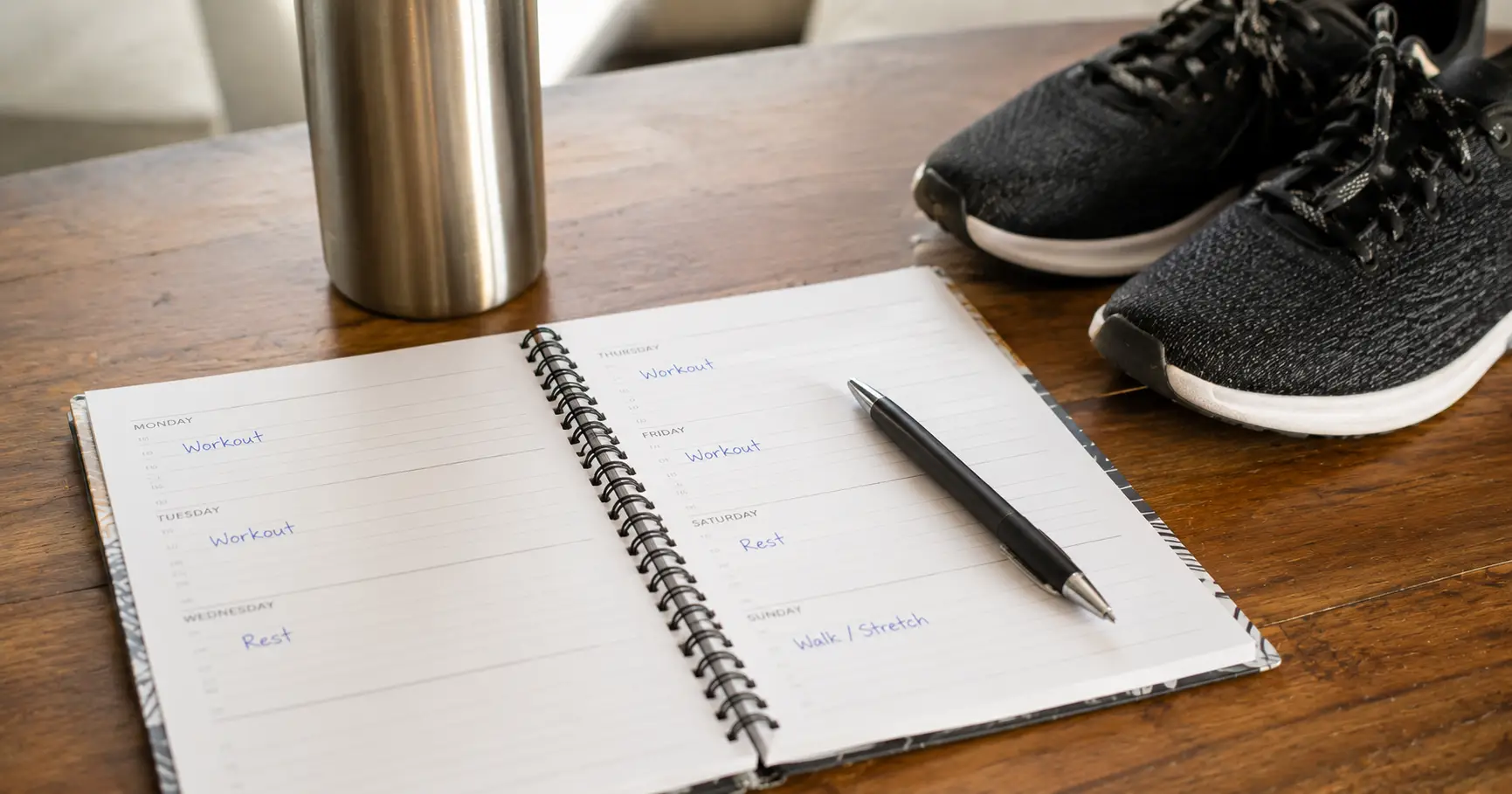
You don’t need a complicated program, just something doable that you’ll show up for. Here’s a beginner restart plan that’s worked for plenty of our members: three days a week with rest days between.
Week One: Wake Things Up
- Day 1 (Move): Ten to fifteen minutes of easy cardio. Treadmill, bike, or elliptical at a pace where you can still hold a conversation. Stretch when you’re done.
- Day 2 (Rest): A real rest day. Maybe a short walk after dinner.
- Day 3 (Move plus resistance): Ten minutes of cardio, then two or three machine exercises (leg press, chest press, seated row), one light set of 12 to 15 reps each. Selectorized machines guide the movement.
- Day 4 (Rest): Rest.
- Day 5 (Move): Repeat Day 1, adding a couple minutes of cardio if you feel good.
- Weekend: Off, or a relaxed walk.
Week Two: Add a Touch More
- Days 1 and 3: Fifteen minutes of cardio, then three machine exercises, one set each. By Day 3, try two sets on a machine or two if it feels manageable.
- Days 2 and 4: Rest.
- Day 5: Cardio plus a short stretching or mobility session in the studio.
That’s the whole thing. No heroics. By the end of two weeks, you’ll have built the most important muscle of all: the habit of showing up. When you’re ready for the weights, our piece on an easy strength start for beginners walks through the basics.
For reference, the CDC’s physical activity guidelines for adults suggest about 150 minutes of moderate activity a week plus two days of muscle work. That’s the destination, not the start.
How to Avoid Injury While Getting Back Into Working Out
The fastest way to derail a comeback is getting hurt in the first month. Most return-to-exercise injuries come from doing too much too soon, skipping a warm-up, or ignoring a body asking you to stop. A few habits keep you safe:
- Warm up first. Five minutes of easy cardio before you touch a weight. Cold muscles tweak easily.
- Start slow and add gradually. Add a little weight, time, or a set only when last week felt easy. No big jumps.
- Use machines early. Selectorized machines guide the movement, which is forgiving while your form wakes back up.
- Know sore from hurt. Dull, achy, and spread out is normal soreness. Sharp, pinpoint, or joint pain is a stop sign.
- Rest like it matters. Those rest days aren’t optional. They’re when your body rebuilds.
Harvard Health has a sensible overview on returning to exercise after time off that backs up the slow-and-steady approach. Gradual beats heroic.
Easing the Soreness
Be honest about what’s coming. A day or two after your first real session, you’re going to be sore. That’s delayed onset muscle soreness, and it means your muscles are adapting, not that you did anything wrong. To ease it, keep moving on sore days, drink plenty of water in the East Texas heat, and sleep seven to nine hours. Just don’t chase soreness, since more of it isn’t more progress.
By your third or fourth week of getting back into working out, the soreness is much milder, and that’s progress you can feel.
Rebuilding the Habit Before the Muscle
Here’s the thing nobody puts on a motivational poster: getting back into working out is mostly about consistency, not intensity. The person who walks fifteen minutes three times a week for six months runs circles around the one who does a single brutal workout and disappears.
So protect the habit above all else. On the days you don’t feel like going, go anyway and do less. Walk for ten minutes and leave. That still counts. The goal of getting back into working out in your first month isn’t to get in shape. It’s to become someone who goes to the gym again.
Anchor your workouts to something you already do: right after the school drop-off, on your way home from the night shift, before your morning coffee. When the workout has a fixed slot, you stop relying on motivation, which is unreliable for all of us. For a fuller game plan, see our article on how to rebuild the workout habit, which pairs with this one.
It also helps to remember why you started. Mayo Clinic has a plain-language rundown of the benefits of regular physical activity, from better sleep and mood to more energy. On the days the scale won’t budge, those wins keep you coming back.
Why a Smaller, 24/7 Gym Makes Getting Back Into Working Out Easier
Walking into a big, crowded gym after time off can be intimidating. Loud music, a wait for every machine, that feeling everyone’s watching you fumble with the equipment. For someone returning to the gym, that’s a real barrier.
A smaller gym changes the math. At Diboll Fitness, there are no crowds and no one sizing you up, so you can learn a machine without a line behind you. That welcoming, small-town floor matters a lot when you’re getting back into working out and your confidence is still rebuilding.
The 24/7 app-based entry is the other big one. Your schedule is probably why you fell off in the first place: shift work, kids, second jobs. The quiet hours are a gift when you’re getting back into working out. Coming at 5 a.m. before the house wakes up, or at 10 p.m. after the little ones are down, makes the first week back easier.
We’ve got what you need to restart and not much you don’t: treadmills, bikes, and ellipticals for cardio; machines and free weight stations for strength; an 800-square-foot studio for stretching; and clean, private locker rooms with showers. Take a look at the full equipment and amenities before you visit. Members come from Diboll, Lufkin, and across Angelina County.
Frequently Asked Questions
How do I start working out again after a long break?
Start far lighter than you think you should. For the first two weeks, do short, easy cardio and a couple of machine exercises, three days a week, with rest days between. The aim of getting back into working out is rebuilding the habit, not testing your old strength. Add a little more each week and let your body catch up.
How long does it take to get back in shape?
Most people notice better energy and less soreness within three to four weeks of consistent training. Strength and stamina return faster for those who trained before. Give it two to three months before judging your progress.
Will I lose all my progress after time off?
No. You lose some conditioning and a bit of strength during a layoff, but not everything, and not all at once. Thanks to muscle memory, getting back into working out brings your old movement patterns and a good chunk of strength back faster the second time around.
How much should I do my first week back?
Less than you want to. When you’re getting back into working out, aim for three short cardio sessions of ten to fifteen minutes, and add one light round of two or three machine exercises by midweek. If you finish thinking you could’ve done more, you got it right.
Is muscle memory real?
Yes, in a practical sense. People who trained before rebuild strength and movement skill faster than true beginners, because the nervous system and muscle tissue keep adaptations from past training. It won’t bring your fitness back overnight, but it gives you a real head start.
Should I see a doctor before restarting?
If you have a known health condition, an old injury, or you’ve been inactive a long time, a quick word with your doctor is smart before you begin. For most generally healthy adults, easing in gradually is safe. Listen to your body, and don’t push through sharp pain.
Come Back at Your Own Pace
Getting back into working out doesn’t have to be dramatic. It’s a series of small, doable visits that add up. Drop the guilt, start slow, and let consistency do the rest. You’ve already done the hard part by deciding to start.