
How often should you work out is one of the first questions people ask when they walk through our doors in Diboll, and the honest answer isn’t “every single day.” It’s closer to this: as often as you can keep up, week after week, without burning out or getting hurt. A modest schedule you actually follow will beat a perfect one that falls apart by the third week. That’s the part nobody tells beginners.
Below you’ll find a real number to aim for, then copy-and-go weekly schedules sorted by goal and level. If you’ve ever wondered how often should you work out for your particular situation, the right plan depends on your goal, your starting point, and your schedule. Pick the one that fits your week, not your best week, and adjust from there.
How Often Should You Work Out? The Short Answer
Most major health groups land in the same spot. The CDC’s physical activity guidelines for adults call for at least 150 minutes a week of moderate activity, plus muscle-strengthening work on two or more days. The American Heart Association lists the same baseline for heart health. So when someone asks how often should you work out, the simplest answer is roughly three to five sessions a week, with two of those including some strength training.
That 150 minutes a week sounds like a lot until you split it up. It’s 30 minutes, five days a week. Or 75 minutes of vigorous activity if you’d rather train harder for less time. You don’t have to do it all in one block, either. A brisk 15-minute walk in the morning and another after supper counts just fine.
Here’s the piece people skip: those two strength days matter as much as the cardio. Lifting keeps muscle on your frame as you age, protects your joints, and helps with everyday things like carrying groceries or lifting a grandchild. Two short sessions a week move the needle. That’s the baseline behind how often should you work out for general health.
How Many Days a Week Should I Work Out?
For most folks, three to four days a week hits the sweet spot. It’s enough to make steady progress and still leaves room for life, recovery, and the occasional bad day. When people ask how often should you work out to start, workout frequency for beginners can be lower than that, and that’s fine. Two solid days you keep up for six months will take you further than five days you quit by spring.
I’ve watched a lot of people start strong and fade. The pattern is almost always the same. They commit to six days a week, go hard for ten days, miss a session, feel guilty, then disappear. The plan was never the problem. It was just too big for their actual life. Fitness is cumulative, so when you decide how many days a week to work out, be honest about your shifts, your family’s calendar, and your energy. It’s far easier to add a day later than to claw your motivation back after you’ve quit. In other words, how often should you work out is really a question about what you can sustain.
If consistency is the part you struggle with, we wrote a whole piece on building a workout habit that actually sticks. The frequency you choose and the habit you build go hand in hand.
How Often Should You Work Out? Sample Weekly Schedules
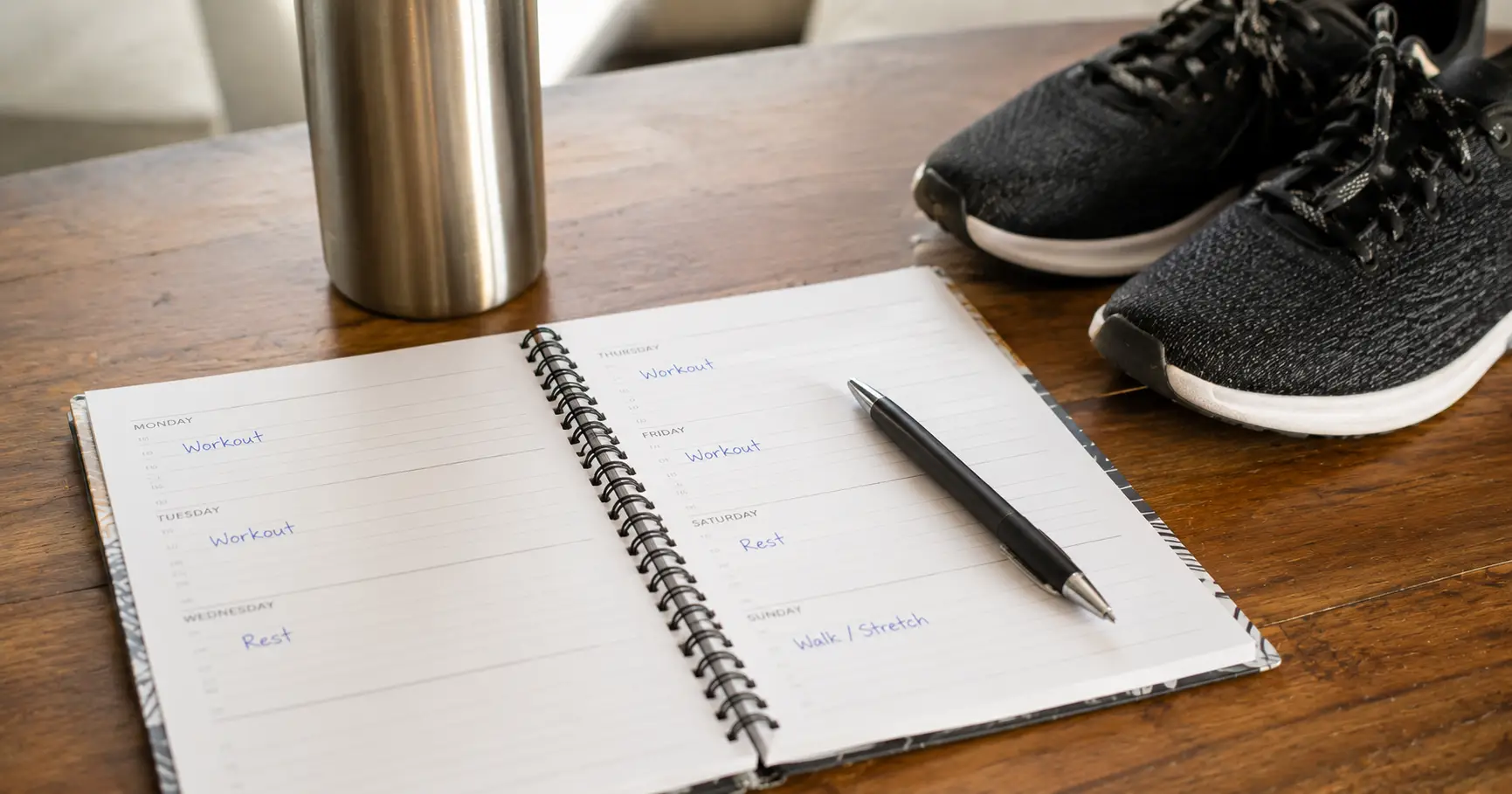
Here’s how the guideline turns into an actual weekly workout schedule. These are starting templates, not rules carved in stone. Move the days around to fit your week. The point is the structure, not the exact calendar. Each one answers how often should you work out for a specific kind of person.
Beginner 3-Day Plan
Three days a week is where most beginners find their groove. It builds real strength and stamina while leaving four days to recover and live. A common setup is Monday, Wednesday, Friday, which puts a rest day between every session.
- Day 1: Full-body strength (legs, back, chest, shoulders, core), then 10 minutes of easy cardio.
- Day 2: 30 minutes of steady cardio, plus a few core exercises.
- Day 3: Full-body strength again, with a slightly different mix of moves.
Busy 4-Day Plan
Once you’ve been steady for a couple of months, four days lets you split your training so each session goes a little deeper. This one fits people with packed weeks because no single day runs long, and you can shuffle the order around shift changes.
- Day 1: Upper-body strength.
- Day 2: Cardio (steady or intervals), 30 to 40 minutes.
- Day 3: Lower-body strength.
- Day 4: Cardio plus core, or a class like HIIT or yoga.
Time-Crunched 2-Day Plan
Two days is the floor, and it’s a perfectly good place to begin. This is the plan for the parent juggling two jobs, the nurse on twelve-hour shifts, or anyone easing back in. With only two days, lean on full-body sessions so you cover everything.
- Day 1: 10 minutes of cardio to warm up, then a full-body strength circuit.
- Day 2: 20 to 30 minutes of steady cardio, plus a second round of full-body strength.
Leave a couple of days between the two so your muscles recover. On your off days, a walk keeps you moving toward that 150-minutes-a-week mark.
Active Adults 50-70: Shorter and More Frequent
If you’re in your fifties, sixties, or seventies, the answer to how often should you work out shifts a little. The rules don’t change much, but the dose does. Shorter, more frequent, lower-intensity sessions tend to work better than a couple of long, grinding ones. Four or five easy days beats two hard ones for joints, balance, and energy.
- Most days: A 20 to 30 minute walk on the treadmill, bike, or elliptical.
- 2 to 3 days: Light strength work for the big muscles, plus some balance and stretching.
Keep the intensity where you can still hold a conversation, and add a little only when it feels too easy. There’s no rush.
How Many Days for Weight Loss vs. Building Muscle?
People often want to know how often for weight loss compared to building muscle, and the schedules overlap more than you’d think. For weight loss, the bigger lever is total movement across the week, so lean toward more frequent activity (four to five days), keep the two strength days, and stay active on off days with walks. For building muscle, three to four focused strength days with enough recovery between them does the job. Cardio still belongs in there for your heart, just not so much that it eats your recovery.
Either way, what you eat and how you sleep do as much heavy lifting as the workout count. Frequency gets you in the room. The rest is consistency over months, no matter how often you should work out for your goal.
Cardio vs. Strength Split: How to Combine Them
When people ask how often should you work out with cardio versus weights, the goal is simply to get both in across the week, not to chase a perfect ratio. You can combine them in one session or keep them on separate days.
On a tight schedule, doing both the same day is efficient. Warm up with cardio, lift, then finish with a few minutes of steady movement. If you’ve got more time, separating them lets you put real effort into each. One thing worth knowing: if strength is your main goal, lift first while you’re fresh, then do cardio. If endurance matters most, flip it. And cardio doesn’t have to mean a treadmill grind. Bikes, the elliptical, a class, even brisk walking all count toward your weekly minutes.
Is It Okay to Work Out Every Day?
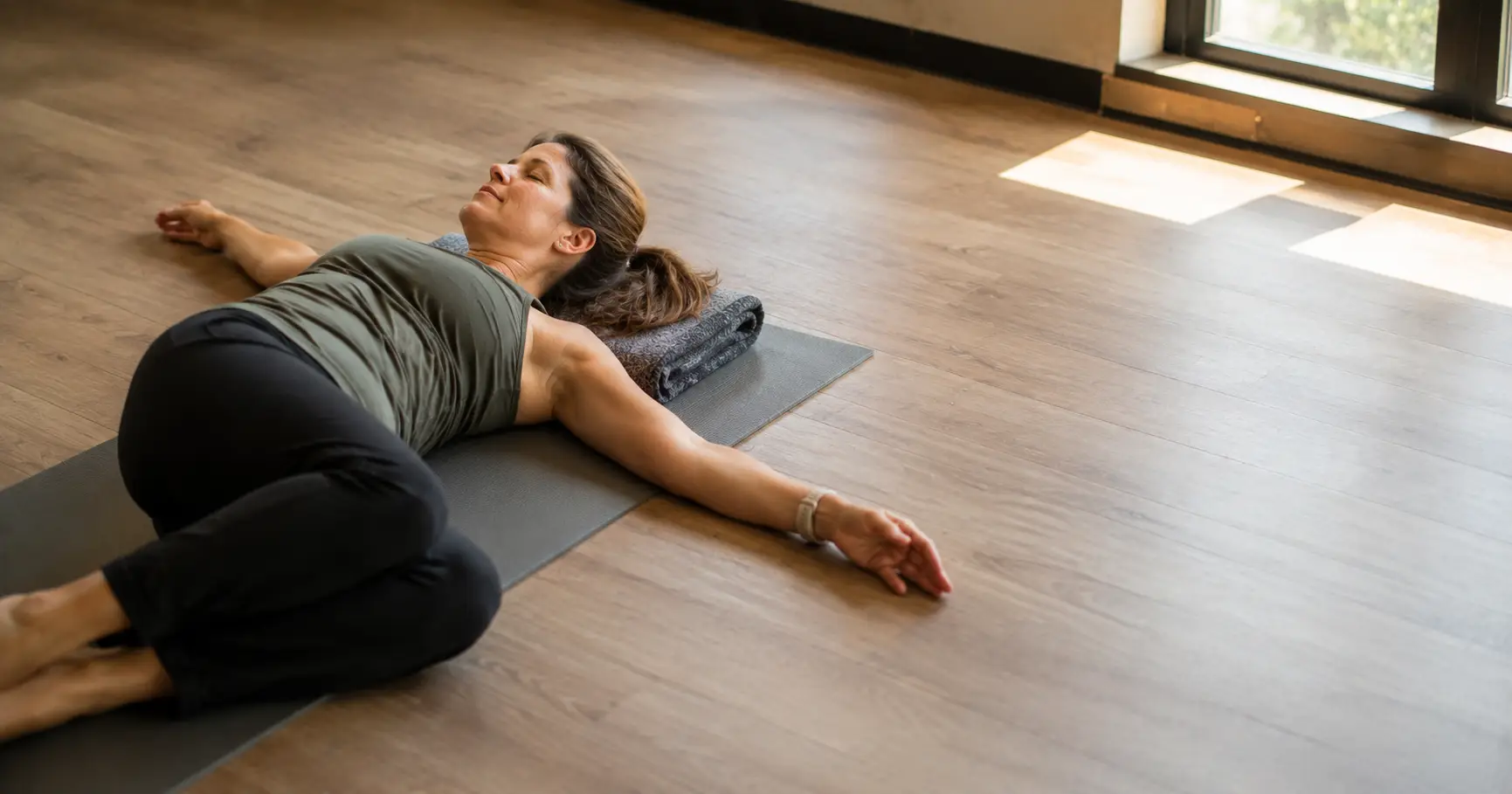
Short answer: yes, with a catch. Moving your body every day is fine and even good for you, but not every day should be hard. Your body gets stronger during recovery, not during the workout itself. The session is the stress. The rest is where the rebuilding happens. Pile up hard efforts back to back and you just collect fatigue.
The trick is active recovery. If you like training daily, alternate. Hard strength or cardio on some days, then easy walks, gentle stretching, or a slow bike ride on others. That counts as movement without taxing the muscles you worked yesterday. So can you work out every day? Sure, as long as “every day” doesn’t mean “go all out every day.”
How Many Rest Days Per Week?
Most people need at least one or two full rest days per week, and beginners often do well with more. Once you settle how often should you work out, the rest days are the other half of the answer. Rest is part of the plan, not a break from it. For most schedules, that means not hitting the same muscles two days in a row and keeping a true rest day or two each week. Sleep belongs in this conversation too. The hours you spend asleep do more for your results than one extra set ever will.
Watch for signs you’re doing too much: workouts that keep feeling harder instead of easier, soreness that lingers for days, poor sleep, or a creeping dread about going. Those are signals to pull back, not push through. We get into the why behind all this in our article on why rest days matter for staying consistent.
Fitting Your Schedule Around Real East Texas Life
Being a 24/7 gym matters for real people here. Plenty of our members work shifts at the plants, in healthcare, or in retail around Diboll, Lufkin, and the rest of Angelina County. When you live like that, how often should you work out matters less than whether you can get in the door at all. A gym with set hours just doesn’t fit a life built around rotating shifts, early mornings, and school pickups.
When the gym is open around the clock with secure app-based entry, you train when your day allows. A 5 a.m. session before a long shift. A workout at 10 p.m. after the kids are finally down. Twenty quiet minutes between dropping one kid at practice and grabbing another. The schedule bends to your life instead of the other way around, and that flexibility is often the difference between sticking with it and giving up. Being a smaller, no-crowd facility helps too. You’re not circling for parking or waiting on a machine. If you want to see how the space is set up, take a look at our equipment and amenities, and if a guided session sounds good, members get 20% off our instructor-led classes like yoga, stretching, and HIIT.
How to Actually Stick With Your Schedule
Deciding how often should you work out is the easy part. Keeping it is the work. A few things help.
- Anchor your workouts to something fixed. Tie them to a shift, a meal, or the kids’ bedtime so they have a home in your week.
- Start one day below what you think you can handle. Build a little momentum before you add more.
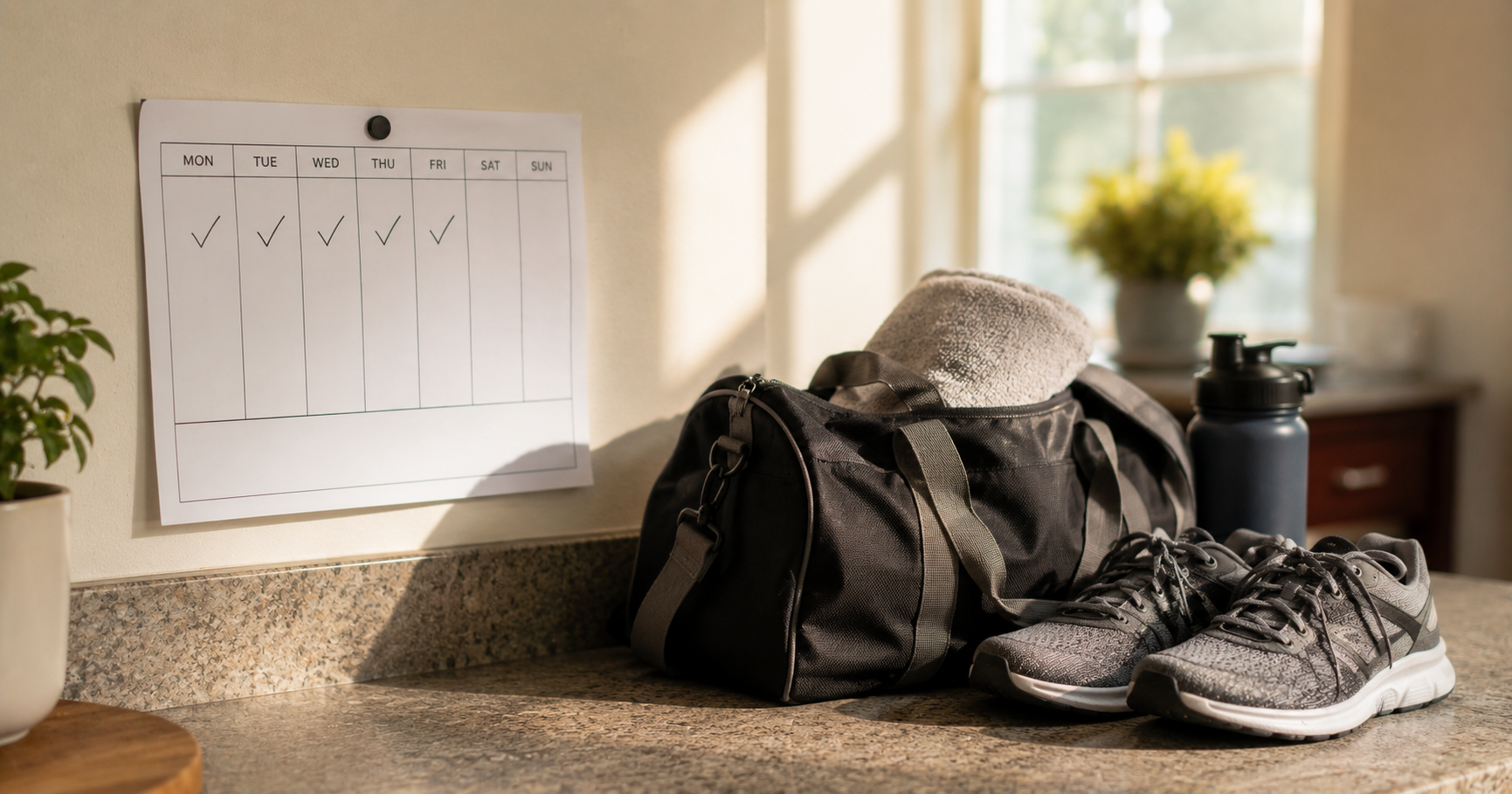
- Don’t let a missed day become a missed week. Life happens. Get back to it at the next chance and move on.
- Keep the bar low on rough days. A short, easy session beats skipping entirely and keeps the habit alive.
For more on staying steady, our blog, Fitness in the Pines, has plenty on habits, recovery, and getting started.
Frequently Asked Questions
How often should you work out as a beginner?
Most beginners do well starting with two or three days a week. That’s enough to build strength and stamina while leaving plenty of time to recover between sessions. Two or three steady days you keep up for months will get you far better results than five days you can’t sustain. Add more once it feels easy.
Is it okay to work out every day?
Yes, as long as every day isn't all-out. Daily movement is healthy, but vary the intensity. Do hard strength or cardio on some days and easy walks or gentle stretching on others. That active-recovery approach gives your muscles time to rebuild instead of stacking hard efforts back to back, which is what leads to burnout and injury.
How long should each workout be?
Anywhere from 30 to 60 minutes works for most people, and quality matters more than length. A focused 30-minute session beats an hour of wandering between machines. If you're short on time, even 20 minutes of real effort counts and keeps your routine intact.
Should I do cardio and strength on the same day?
You can, and it's a smart move when time is tight. Warm up with a few minutes of cardio, do your strength work, and finish with more cardio if you have time. If you'd rather give each your full effort, splitting them across different days works just as well. Both approaches meet the same weekly goal.
How many days for weight loss vs. building muscle?
For weight loss, lean toward more frequent movement (four to five days) plus walks on off days, since total weekly activity is the bigger lever. For building muscle, three to four focused strength days with real recovery between them does the job. Both still need the two strength sessions and steady consistency over time.
How many rest days per week do I need?
Most people need at least one or two full rest days a week, and beginners often benefit from more. Rest is when your body rebuilds and gets stronger, so it's part of the plan, not a break from it. Light activity like walking on those days is fine and still counts toward your weekly minutes.