
Why rest days matter is one of the most misunderstood ideas in fitness, and getting it wrong burns a lot of folks out before they ever see results. Plenty of people here in Diboll believe progress only happens when they’re sweating and grinding through one more set, so a day off feels like cheating. That’s backward. Your body doesn’t get stronger during the workout. It gets stronger afterward, while you rest. The training is the stress. The recovery is where the payoff lands.
Once that clicks, taking a day off stops feeling like a failure and starts feeling like part of the plan. The reason why rest days matter is the same reason a field grows better crops when you let it rest. Below we cover what’s happening under the hood and why rest days matter for staying consistent.
Why Are Rest Days Important? What Happens When You Train
When you lift, run, or work through a tough session, you create tiny bits of stress in your muscles. Picture small tears in the muscle fibers. That sounds bad, but it’s the whole point. Your body responds with muscle repair, rebuilding those fibers a little tougher than before. That work doesn’t happen mid-workout. It happens in the hours and days after, mostly while you rest and especially while you sleep.
Train hard every single day with no break and you keep tearing down without letting your body build up. You stay stuck in the breakdown phase. Strength stalls. Energy drops. Soreness never goes away. That’s one big reason why rest days matter so much: rest and recovery isn’t the opposite of training, it’s the second half of it.
Recovery Is When the Results Happen (Drop the Guilt)
If you take one thing from this article, make it this: the guilt is misplaced. A rest day isn’t a gap in your progress. It is your progress. That’s really why rest days matter at all. The session breaks your muscles down a little, and the rest is where they come back stronger. Skip it and you throw away most of the work you just did.
So reframe it. Why rest days matter is simple: they’re where the building happens. The person who trains four smart days and rests three almost always outpaces the one who grinds seven straight, gets hurt, and disappears for a month. You’re not being lazy when you rest. You’re being patient.
How Many Rest Days Per Week, and Why Rest Days Matter for Each Person
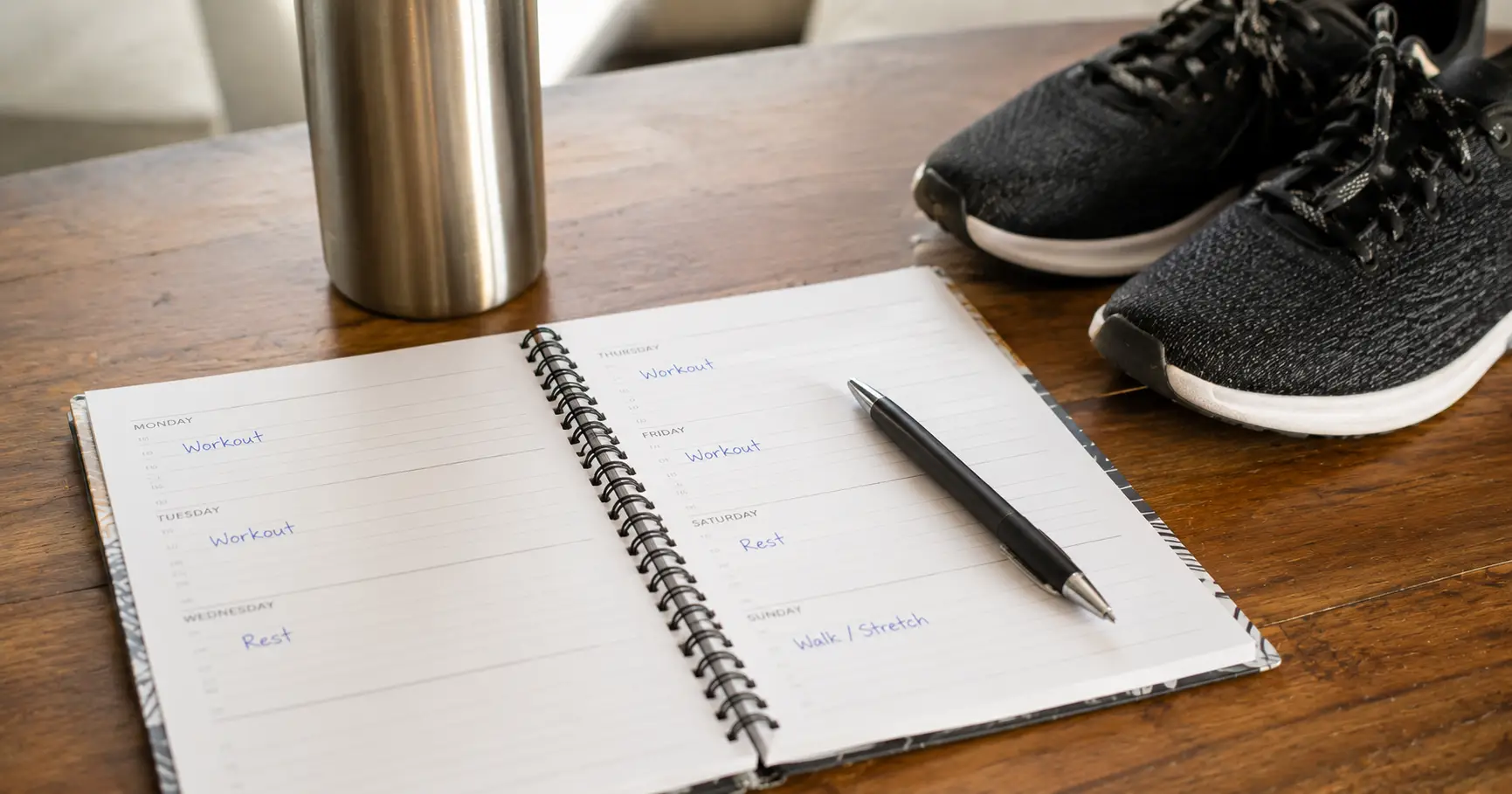
For most people, one to three rest days a week works well, depending on how hard and how often you train. Beginners often do best with a full day of rest between sessions while the body adjusts. More experienced lifters might train four or five days and split things up so no muscle group gets hammered two days running. Either way, why rest days matter to you comes down to recovery, not a fixed number.
A good rule of thumb is to avoid working the same muscle group hard on back-to-back days. Train legs hard Monday, then work upper body Tuesday and let those legs recover. You stay active without stalling muscle repair. A smaller, no-crowd gym helps here, since you’re not fighting for equipment and can give each muscle group room. If you’re still figuring out how to space sessions, our guide on how often you should work out each week walks through a training frequency that leaves room for rest.
Signs You Need a Rest Day (and Symptoms of Overtraining)
There’s a difference between normal tiredness after a good session and the deeper fatigue that means you’ve overdone it. Overtraining sneaks up on people, especially the motivated ones who feel like more is always better. Your body sends signals, and the trick is reading them instead of pushing through. Here are the overtraining symptoms and signs you need a rest day:
- Fatigue that doesn’t lift. The kind where you wake up already worn out and drag through the day no matter how much coffee you drink.
- Poor sleep. It sounds backward, but overtraining can wreck your sleep. You’re exhausted but you toss and turn, or wake at 3 a.m. and can’t drop back off.
- Soreness that won’t quit. Some soreness is fine. Aches that hang on for days, or cranky, stiff joints, are a sign you need a break.
- Progress stalls or slides backward. When weights that felt easy last month suddenly feel heavy, that’s often a body that hasn’t recovered.
- Irritability and a short fuse. Training stress with no recovery messes with your mood. If you’re snapping at people over nothing, your nervous system may be asking for rest.
- Getting sick more often. Run yourself down long enough and your immune system takes the hit. Catching every bug going around can be a red flag.
Notice a few of these at once? It’s not a sign to quit. It’s a sign to back off for a few days, sleep more, eat well, and let your body catch up. When your body sends these signals, that’s it showing you firsthand why rest days matter. Almost always, a short reset is all it takes. The folks who ignore the signals are the ones who end up hurt or so worn out they walk away.
What Is Active Recovery, and What Should You Do?
A rest day doesn’t have to mean lying on the couch, though sometimes that’s exactly what you need. Most of the time, active recovery is better: gentle movement that gets blood flowing without adding real stress. The blood carries nutrients in and waste out, which helps you feel better faster than total stillness. Here’s a concrete East Texas active recovery list you can use:
- An early-morning walk. Twenty or thirty minutes around the neighborhood, the high school track, or a park in Lufkin or Diboll, before the heat sets in. Easy on the body, good for your head.
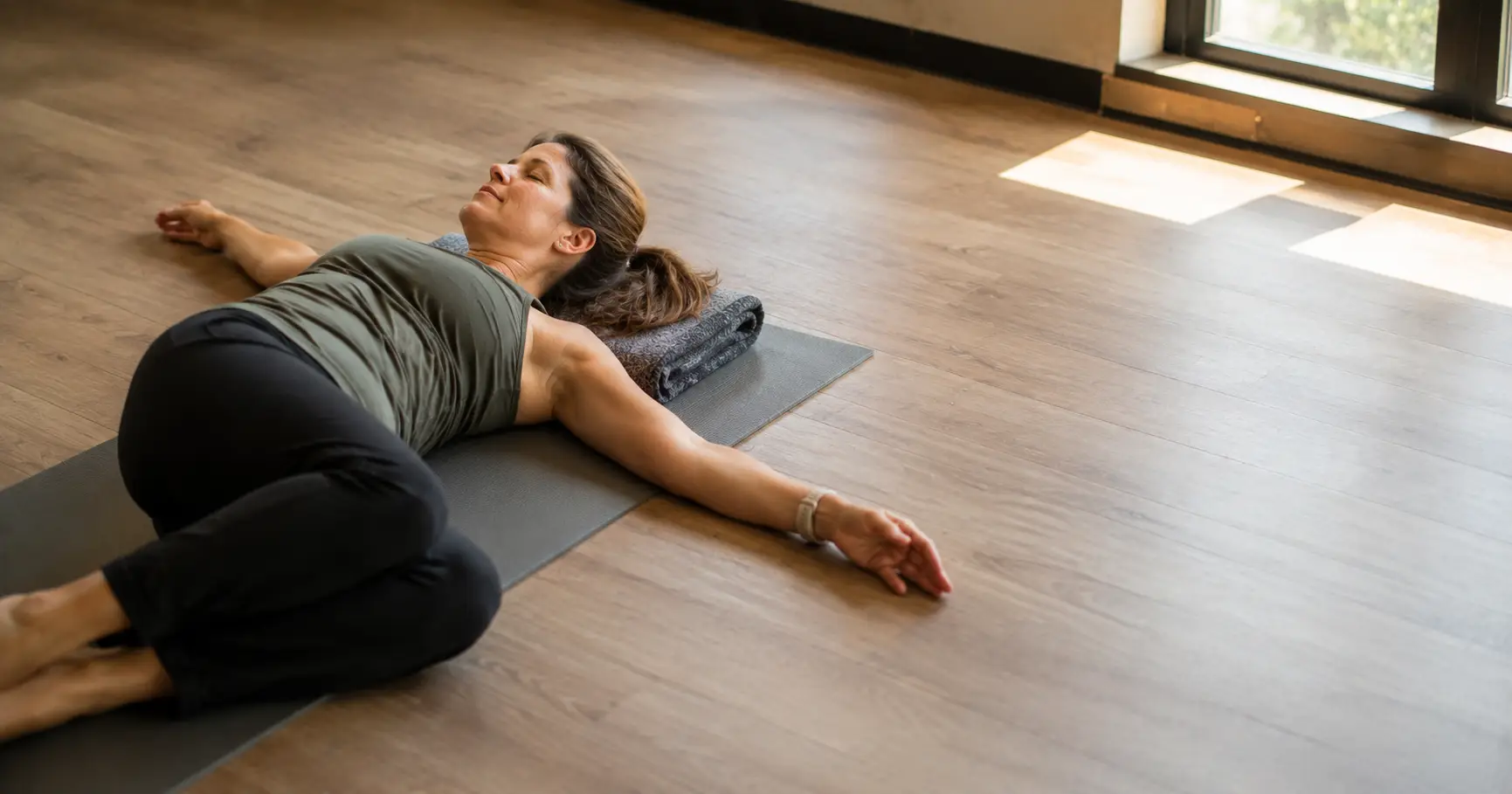
- A stretch session at the gym. Swing by and spend fifteen minutes loosening up tight muscles on the mats. You move better and feel less stiff the next day.
- Light mobility work. Slow, easy movement through your hips, shoulders, and back keeps you limber for your next real session.
- Gentle yoga or an easy bike. A slow flow or relaxed spin keeps you moving without beating up your joints.
Our 800-square-foot studio, with its wood flooring and yoga mats, is set up for exactly this. It’s a calm space to stretch, flow through easy yoga, or do mobility on a day you don’t want a full session. We also support instructor-led yoga and stretching, and members get 20% off classes, so guided recovery is right there when you want it. Take a look at our fitness classes, meet the people who lead them on our instructors page, or browse the equipment and amenities that make a low-key recovery visit easy.
Is It Bad to Work Out Without Rest Days?
Short answer: yes, over time it works against you, and that’s the clearest case for why rest days matter. Training seven days a week with real intensity and no recovery keeps your body in constant breakdown. Strength plateaus, injury risk climbs, sleep suffers, and motivation drains. You do more work for worse results.
That doesn’t mean every day is all-out or nothing. Move daily if you like, as long as some days are easy. Mix hard training with active recovery and a true day off or two, and your body keeps adapting. The Cleveland Clinic has a good plain-language piece on why rest days are essential to a workout routine if you want more on the science.
Do Muscles Grow on Rest Days?
They do, and that’s the whole idea, the simplest answer to why rest days matter. The rebuilding, where damaged fibers repair and come back stronger, happens during recovery, not the workout itself. Your muscles spend rest days restocking energy, repairing tissue, and calming inflammation. Give them time and fuel and you come back stronger. Rush it and you come back flat.
This matters even more as we get older. Folks in the 50-to-70 range and beyond simply need longer to repair than they did at 25. That’s not a reason to slow down, it’s a reason to build in more recovery between hard sessions. An extra rest day, a bit more sleep, and steady protein keep older adults strong for years.
How Does Sleep Affect Recovery?
If recovery had a most valuable player, it would be sleep, and sleep is a big part of why rest days matter at all. This is when your body does the bulk of its repair work, and the hormones that rebuild muscle do most of their job while you’re deep asleep. Skimp on sleep and you blunt all of it, no matter how clean you eat. The link between sleep and recovery runs both ways: exercise helps you sleep deeper, and good sleep helps you train better. The Sleep Foundation explains how exercise and sleep feed each other, and it’s worth a read if you’ve never thought about the two together.
For most adults, that means seven to nine hours a night. Not always easy for shift workers, parents, and folks juggling two jobs, which describes a whole lot of Deep East Texas. Do what you can: keep a steady bedtime and ease off the screens before bed. Pair that with simple meals built around protein and steady water through the day, the kind of routine the Mayo Clinic ties to a long list of health benefits, and your body has what it needs.
How 24/7 Access Makes Recovery Easy
Here’s where why rest days matter meets real life. A recovery visit shouldn’t feel like a big production. With our 24/7 app-based entry, you can slip in for a quiet fifteen-minute stretch or some easy mobility whenever it fits, early before work, late after the kids are down, or on a slow Sunday. No crowd, no pressure, no judgment. That low-key access is what makes an active-recovery day stick instead of skipped.
If you’re rebuilding a routine after time away, go gentle and add load slowly. Our guide on easing back into working out pairs naturally with this one. Train when it suits you, recover when your body asks, and come back on your own time.
Frequently Asked Questions
How many rest days per week do I need?
Most people do well with one to three rest days a week, depending on how hard and how often they train. Beginners often need a day between sessions, while seasoned lifters may train four or five days with workouts split so no muscle group gets hit hard twice in a row.
What are the symptoms of overtraining?
Watch for fatigue that doesn’t lift, trouble sleeping, soreness that won’t quit, stalled progress, irritability, and getting sick more often. A few of these at once usually means backing off for several days.
Is it bad to skip rest days?
Skipping the occasional rest day won’t ruin you, but skipping them as a habit will. Without recovery your body stays in breakdown mode, so strength stalls, injury risk rises, and burnout follows.
Do muscles really grow on rest days?
Yes. The workout creates the stress, but the actual muscle repair and growth happen during recovery, mostly while you sleep. That’s why rest days matter so much, and why a rest day matters as much as the session that came before it. Without them, you never give your body the chance to rebuild what training broke down.
What amenities are included?
A well-kept facility with cardio machines, strength equipment, and studio space, plus locker rooms with showers and changing rooms. Everything you need, right here in Diboll.